
Monday, 24 January 2011
Saturday, 15 January 2011
Monday, 26 April 2010
A lot of / A few / A little / Not any
I: Look at the photos and complete the sentences with: a lot of / a few / a little / not any.
 There are _______ of chocolates.
 I bought _______ tomatoes.
 There is _______ coffee.
 I've got _______ bananas.
 There are ______ tins of fizzy drink.
 There are _______ of chocolates.
 I bought _______ tomatoes.
 There is _______ coffee.
 I've got _______ bananas.
 There are ______ tins of fizzy drink.
.
Have you ever...?
I: Reorder the words to form sentences.
1. ever - you - visited - have - museum - new - the - ?
________________________________________
2. you - another - in - ever - city - have - lived - ?
________________________________________
.
.
.
II. Choose the best verb to complete the questions.
3. Have you ever __________ in an office?
a) work
b) working
c) works
d) worked
4. Have you ever __________ a horror movie at night?
a) watches
b) watch
c) watched
d) watching
5. Have you ever __________ dinner for your family?
a) used
b) talked
c) played
d) cooked
.
1. ever - you - visited - have - museum - new - the - ?
________________________________________
2. you - another - in - ever - city - have - lived - ?
________________________________________
.
.
.
II. Choose the best verb to complete the questions.
3. Have you ever __________ in an office?
a) work
b) working
c) works
d) worked
4. Have you ever __________ a horror movie at night?
a) watches
b) watch
c) watched
d) watching
5. Have you ever __________ dinner for your family?
a) used
b) talked
c) played
d) cooked
.
Present perfect: Have you ever...?
Aquí have NO significa “tener”, sino “haber”:
Have you ever worked?
Has tu alguna vez trabajado?
Have you ever travelled by plane?
Has tu alguna vez viajado en avión?
Respuestas:
Yes, I have. / No, I haven’t.
Los verbos trabajado=worked, viajado=travelled están en pasado participio.
Estos verbos son regulares, por lo que terminan en –ed; en esta unidad solamente vamos a utilizar un verbo irregular: been.
be been use used
dance danced smoke smoked
want wanted study studied
Have you ever worked?
Has tu alguna vez trabajado?
Have you ever travelled by plane?
Has tu alguna vez viajado en avión?
Respuestas:
Yes, I have. / No, I haven’t.
Los verbos trabajado=worked, viajado=travelled están en pasado participio.
Estos verbos son regulares, por lo que terminan en –ed; en esta unidad solamente vamos a utilizar un verbo irregular: been.
be been use used
dance danced smoke smoked
want wanted study studied
Wednesday, 10 February 2010
Prepositions of place

next to - between - in the middle - in front of - opposite - behind - under - above - on the corner
1. The gas station is ______________ of First Ave. and Center St.
2. The bank is ______________ the department store and the restaurant.
3. There is an helicopter ______________ the hospital.
4. The square is _____________ the theater.
5. The post office is ___________ the bookstore.
6. Shoes is __________ the coffee shop.
Must/Mustn't
Must (obligation)
You must get 70 to pass the exam.
Mustn't (prohibition)
You mustn't smoke in the classroom.
Can (possibility)
You can use the computers of the library.
Can't (impossibility)
You can't print, because there isn't a printer.
.
You must get 70 to pass the exam.
Mustn't (prohibition)
You mustn't smoke in the classroom.
Can (possibility)
You can use the computers of the library.
Can't (impossibility)
You can't print, because there isn't a printer.
.
Sunday, 7 February 2010
Ordinal numbers

21st twenty-first
22nd twenty-second
23rd twenty-third
24th twenty-fourth
25th twenty-fifth
26th twenty-sixth
27th twenty-seventh
28th twenty-eighth
29th twenty-ninth
30th thirtieth
31st thirty-first
Saturday, 6 February 2010
Present simple and present continuous
Present simple:
(used to talk about something normally happens)
Subject + verb + complement
We .......... play .... baseball every week.
(he/she/it - take an "s" at the end of the verb)
She ......... plays .... tennis with her friends.
Present continuous:
(used to talk about something is happening at the moment or in the future)
Subject + be + verb + ing + complement
We .......... are ..... playing ..... baseball.
She .......... is ........playing ...... tennis with her friends.
.
.
(used to talk about something normally happens)
Subject + verb + complement
We .......... play .... baseball every week.
(he/she/it - take an "s" at the end of the verb)
She ......... plays .... tennis with her friends.
Present continuous:
(used to talk about something is happening at the moment or in the future)
Subject + be + verb + ing + complement
We .......... are ..... playing ..... baseball.
She .......... is ........playing ...... tennis with her friends.
.
.
Instruction verbs
I. MATCH THE PICTURES TO THE INSTRUCTIONS.
1.
2.
3. 
4.
 5.
5. 6.
6. 7.
7. 8.
8.
Instructions:
Insert/Put in a coin ___
Don't drink and drive ___
Turn off the lights when you leave the room ___
Use the seat belt ___
Take your money ___
Don't cross without looking both ways of the road ___
Wash your hand before you eat ___
Select /Choose your language ___
.
.
.
Sunday, 13 December 2009
Superlative adjectives
We use the superlatives adjectives to compare one person, thing or situation to the rest. There are short and long adjectives.
Short adjectives:
Add the -est
* when the adjective ends in "y", it changes by "i" (happy)
* when the adjective has only 3 letters, consonant-vocal-consonant, the last consonant is double (hot)
fast - the fastest
Ronny is the fastest runner.
happy - the happiest
I am the happiest person in the world!
hot - the hottest
The Sahara is the hottest place.
big - the biggest
Chihuahua is the biggest state in Mexico.
Long adjectives:
Add the most (adjective)
difficult - the most difficult
For me, Mathematics is the most difficult.
handsome - the most handsome
Brad Pitt is the most handsome actor.
intelligent - the most intelligent
Maria is the most intelligent student.
Exception!
good - the best
For me, Christina Aguilera is the best singer.
bad - the worst
I think winter is the worst weather.
Short adjectives:
Add the -est
* when the adjective ends in "y", it changes by "i" (happy)
* when the adjective has only 3 letters, consonant-vocal-consonant, the last consonant is double (hot)
fast - the fastest
Ronny is the fastest runner.
happy - the happiest
I am the happiest person in the world!
hot - the hottest
The Sahara is the hottest place.
big - the biggest
Chihuahua is the biggest state in Mexico.
Long adjectives:
Add the most (adjective)
difficult - the most difficult
For me, Mathematics is the most difficult.
handsome - the most handsome
Brad Pitt is the most handsome actor.
intelligent - the most intelligent
Maria is the most intelligent student.
Exception!
good - the best
For me, Christina Aguilera is the best singer.
bad - the worst
I think winter is the worst weather.
Comparative adjectives
We use the comparatives adjectives to compare two persons, things or situations. There are short and long adjectives.
Short adjectives:
Add -er than
* when the adjective ends in "y", it changes by "i" (happy)
* when the adjective has only 3 letters, consonant-vocal-consonant, the last consonant is double (hot)
fast - faster than
A car is faster than a bicycle.
happy - happier than
Children are happier than adults.
hot - hotter than
Monterrey is hotter than Puebla.
small - smaller than
Cuba is smaller than the United States.
Long adjectives:
Add more (adjective) than
difficult - more difficult than
For me, Mathematics is more difficult than Biology.
handsome - more handsome than
Brad Pitt is more handsome than Tom Cruise.
intelligent - more intelligent than
Maria is more intelligent than Dora.
Exception!
good - better than
Shakira is better than Toñita.
bad - worse than
In Siberia, the weather is worse than in Hawaii.
Short adjectives:
Add -er than
* when the adjective ends in "y", it changes by "i" (happy)
* when the adjective has only 3 letters, consonant-vocal-consonant, the last consonant is double (hot)
fast - faster than
A car is faster than a bicycle.
happy - happier than
Children are happier than adults.
hot - hotter than
Monterrey is hotter than Puebla.
small - smaller than
Cuba is smaller than the United States.
Long adjectives:
Add more (adjective) than
difficult - more difficult than
For me, Mathematics is more difficult than Biology.
handsome - more handsome than
Brad Pitt is more handsome than Tom Cruise.
intelligent - more intelligent than
Maria is more intelligent than Dora.
Exception!
good - better than
Shakira is better than Toñita.
bad - worse than
In Siberia, the weather is worse than in Hawaii.
Saturday, 21 November 2009
Physical description

1. Bob is ________.
a) slim
b) thin
c) fat
2. Jane has _______ hair.
a) dark
b) blond
c) yellow
3. Martin is ________.
a) fat
b) slim
c) stocky
4. Rick is ________.
a) short
b) tall
c) average height
5. John's hair is _______ __ _______.
a) blond and short
b) long and black
c) black and short
6. Cathy is _______ __ _______.
a) tall and stocky
b) fat and short
c) slim and tall
7. Bob has ________, _______ hair.
a) short, blond
b) brown, long
c) long, dark
8. Jane is _______.
a) fat
b) thin
c) average weight
.
Monday, 2 November 2009
Habits
Answer the questions about Mike's habits. Use:
once/ twice / two or three times - a week
every - day / week /month / Saturday / weekend

1. How often does Mike go to the gym?
He goes to the gym ________ ________ and _________.
2. How often does he wash his car?
He washes his car ________ ____ ________.
3. How often does Mike visit his grandparents?
He visits them ________ ___ ________.
4. How often does he take the children to the school?
He takes them ________ ___ ________ ___ ________.
5. How often does he go shopping?
He goes shopping _________ ___ __________.
once/ twice / two or three times - a week
every - day / week /month / Saturday / weekend
1. How often does Mike go to the gym?
He goes to the gym ________ ________ and _________.
2. How often does he wash his car?
He washes his car ________ ____ ________.
3. How often does Mike visit his grandparents?
He visits them ________ ___ ________.
4. How often does he take the children to the school?
He takes them ________ ___ ________ ___ ________.
5. How often does he go shopping?
He goes shopping _________ ___ __________.
Past Simple Tense
Regular Past Verbs
- want - wanted
- play - played
- visit - visited
- rain - rained
- walk - walked
- watch - watched
- cook - cooked
- dance - danced
Regular Past Verbs
- go - went
- have - had
- be - was (1), were (2+)
- swim - swam
- sing - sang
- do - did
- speak - spoke
- ride - rode
- read - read
- make - made
- eat - ate
Affirmative sentences:
Steve sang many songs at the party.
My friends went to the supermarket.
I watched TV all night.
Negative sentences:
You weren't at home last night.
They didn't visit their grandparents.
I didn't do my homework.
Questions:
Were you at Secundaria 23?
Was Rose in the same classroom as you?
Did you eat tacos yesterday?
Did you play computer games?
Sunday, 1 November 2009
Can you count them?
Look at these obejcts. Say if you can count them or not, then complete the sentences with: a, an, a pair of, some.

BOTTLE OF WATER
___ Countable ___ Uncountable
I want _______ bottle of water.
 WALKING SHOES
___ Countable ___ Uncountable
You shoud take _________ walking shoes.
 MONEY
MONEY___ Countable ___ Uncountable
We need _________ money.
 FOOD
FOOD___ Countable ___ Uncountable
We are eating _________ food.
 RAINCOAT
___ Countable ___ Uncountable
Take _________ raincoat, it is raining.

SOCKS
___ Countable ___ Uncountable
I want _________ socks.
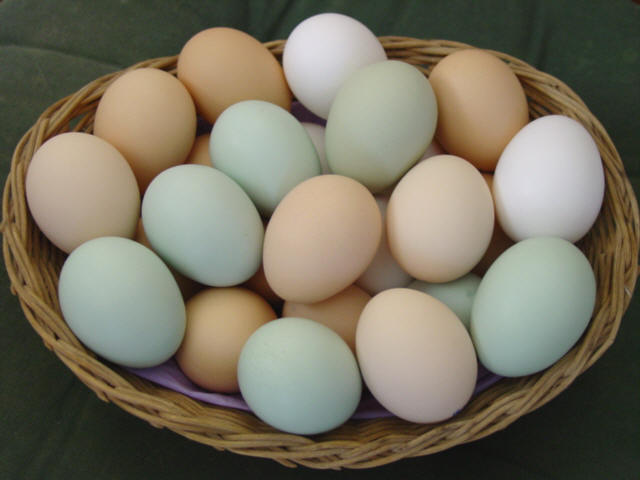 EGGS
EGGS___ Countable ___ Uncountable
Ana is making a cake, she needs _________ eggs.
'Can' for ability
 1. Maria / ? / a / can / cake / make
 2. can / dogs / obey / some
 3. speak / we / Japanese / can't
 4. well / drive / Mrs. Ferriño / can't / very
 5. the / dance /Lucy / can / and / Michael / tango
What are they doing?
 1. doing / what / is / ? / she
A= is / horse / a / she / riding
 2. Diane / doing / are / Joanne / what / and / ?
A= and / doing / Joanne / the / are / shopping / Diane
 3. playing / ? / Erick / is
A= is / isn't / he / no / sleeping / he
 4. the / what / students / doing / ? / are
A= are / an / having / students / exam / the

5. reading / Mr. Robertson / ? / book / is / a
A= is / TV / no / Mr. Robertson / he / isn't / watching

6. Joe / Nocole / pizza / and / ? / eating / are
A= Yes, _____________.
 7. Daniel / ? / doing / what / is
 7. Daniel / ? / doing / what / is
A= is / shower / Daniel / a / having
 8. ? / doing / is / Mrs. Richards /what
 8. ? / doing / is / Mrs. Richards /what
A= lunch / is / Mrs. Richards / cooking
Wednesday, 30 September 2009
Linking words
and (joins similar things)
but (joins different things)
or (joins different options)
1. I'd like a soda ___ some nachos.
2. Would you like an orange juice ____ a lemonade?
3. I like coffee ____ I don't like tea.
4. Richard has got two sisters ____ he hasn't got brothers.
5. I have breakfast in the kitchen ____ in the dining room.
6. My favourite subjects are Biology ____ Mathematics.
7. I want to study Medicine ____ Politics.
but (joins different things)
or (joins different options)
1. I'd like a soda ___ some nachos.
2. Would you like an orange juice ____ a lemonade?
3. I like coffee ____ I don't like tea.
4. Richard has got two sisters ____ he hasn't got brothers.
5. I have breakfast in the kitchen ____ in the dining room.
6. My favourite subjects are Biology ____ Mathematics.
7. I want to study Medicine ____ Politics.
Subscribe to:
Posts (Atom)


